For Informational Purposes Only
The articles below are provided for general educational purposes only and are not a substitute for professional medical advice. Please read our full medical disclaimer before relying on any information found here.
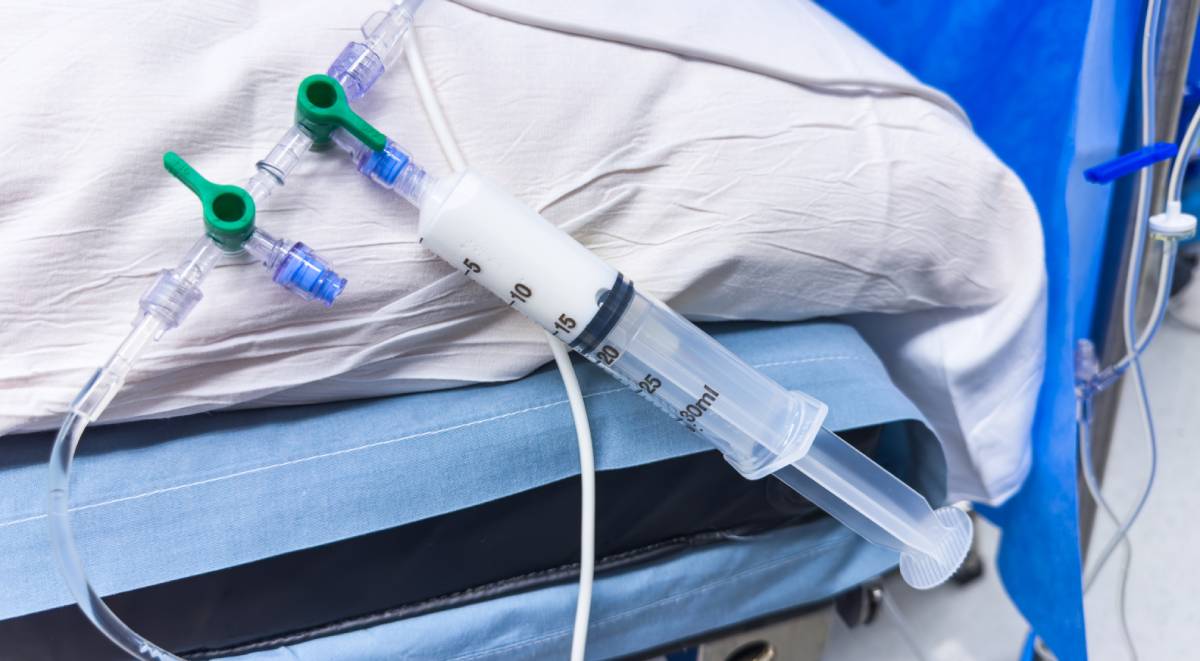
Impact of Bolus Pressure on Anesthesia Outcomes
The method of administering anesthetic and vasopressor agents affects perioperative physiology and clinical outcomes. Bolus delivery can rapidly corre
Read More →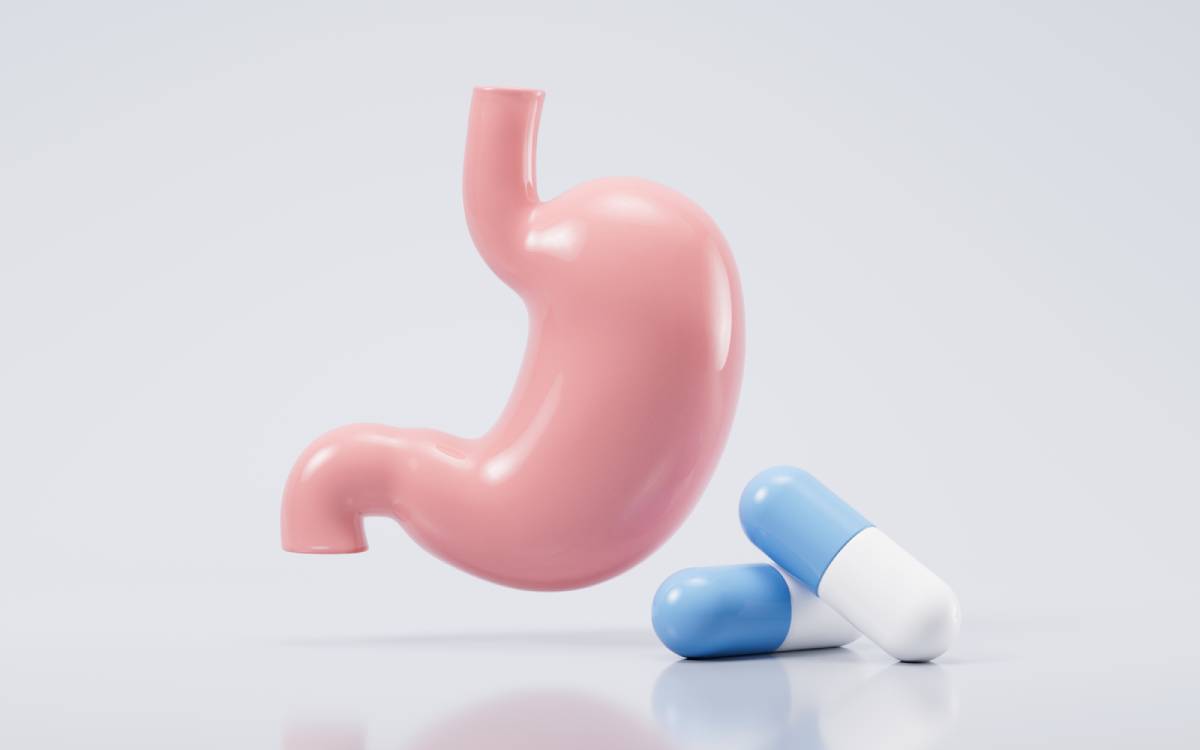
Drugs that Increase Gastric Emptying
Delayed gastric emptying, or gastroparesis, is a condition that impairs the normal movement of food from the stomach into the…
Read More →
Rare Symptoms of Postoperative Delirium
Postoperative delirium is a common complication of anesthesia and surgery that can affect patients, especially older adults. It is typically…
Read More →
Patient and Anesthesiologist Discussions of Risk Before Anesthesia
Effective communication between patients and anesthesiologists is a fundamental aspect of safe and patient-centered surgical care. These preoperative
Read More →
How Body Position Affects Blood Pressure
Blood pressure is a critical physiological parameter that varies in response to multiple factors, such as disease, diet, and cardiovascular…
Read More →
Medication for Sleep Apnea
Sleep apnea is a sleep disorder characterized by repeated interruptions in breathing during sleep. The most common form, obstructive sleep…
Read More →
Clinical Management of Local Anesthesia Systemic Toxicity (LAST)
Local Anesthetic Systemic Toxicity (LAST) is a rare but potentially life-threatening complication that can occur following the administration of local
Read More →
Age Considerations for Peripheral Nerve Blocks
Peripheral nerve blocks are an important anesthetic technique used to provide local pain relief by interrupting the transmission of nerve…
Read More →
Timing of Perioperative Analgesics
Perioperative care refers to the comprehensive medical care provided to a patient before, during, and after surgery. It encompasses all…
Read More →